Faculty affiliated with the Neuroscience Graduate Program span fifteen departments and three different schools at the University of Virginia, with a broad array of research across the field of neuroscience.
Neural circuits that regulate autonomic and cardiorespiratory homeostasis and how they interface with affective and emotional states

Neuroimaging and cognitive neuroscience approaches to altered states (e.g., hypnosis, suggestion) and the neural correlates of anomalous experiences
Human stem-cell and mouse models used to uncover cellular mechanisms of neurodevelopmental disorders such as autism and intellectual disability
Neuromodulation and ion-channel mechanisms that control brainstem circuits for breathing and interoception, from molecules to behavior

Thalamic circuit excitability and network dynamics in sleep and epilepsy examined using electrophysiology and systems approaches

Aβ and tau oligomers driving neurodegeneration in Alzheimer’s disease and related tauopathies

Astrocyte roles in neurodevelopmental and neurodegenerative disorders
appetite, energy balance, the vagus nerve, parasympathetic control of digestion, metabolism, and heart rate

Organization, development, and function of the mammalian visual system
Molecular mechanisms of Herpes Simplex Virus latency and reactivation, and neuronal specific immune responses



Glial morphogenesis, neuron–glia, and glial-glial interactions that shape CNS development, function, and neurodegeneration

Assembly and disassembly of the nervous system, adaptive feeding circuitry, neurotrophic factors, Alzheimer's Disease, Nervous system injury
Early events in neurodegeneration, engineering of cellular nanocomputing agents, cell reprogramming, machine learning, artificial intelligence

Neural Development; Cell Division in Neural Stem Cells; Axon Outgrowth and Guidance
Synaptic circuitry, neuronal circuit plasticity, ocular dominance, and structural connectomics in visual and gustatory systems and age-related changes
Neural bases of school readiness (reading, math and socioemotional learning), linking cognitive neuroscience with educational skills across the lifespan

Innate immunity, chronic disease, host-parasite interactions, Toxoplasma gondii, proteomics

Microglial regulation of brain development, vascular function, and responses to injury and disease

Brain insulin and cholesterol signaling mechanisms underlying diabetes-accelerated cognitive decline and Alzheimer’s disease
APOE and metabolic deficits in very early Alzheimer’s disease focusing on therapeutic development and biomarker discovery
understanding multiple sclerosis, which is an autoimmune disease that results in damage to the central nervous system, particularly to oligodendrocytes and neurons
Neural circuits for feeding, sleep, and circadian entrainment with implications for obesity and neurodegeneration
Brain–immune interactions during infections (e.g., Toxoplasma gondii) and neuroinflammation visualized through intravital imaging

Pathophysiology of Neurodegenerative Diseases and Development of Therapeutic Interventions
Basic and clinical mechanisms of seizures/status epilepticus and therapeutic testing in epilepsy
Interactions between the nervous and immune systems (neuro–immune crosstalk)

Glial coordination of nervous-system development and repair through glial–glial and glial–neuronal interactions (zebrafish models)
Biomaterials and redox-tunable microenvironments for neural tissue engineering, cell delivery, and CNS repair

Basic-science collaborations in plastic surgery focused on metabolism/inflammation and preclinical models relevant to wound healing and nerve injury
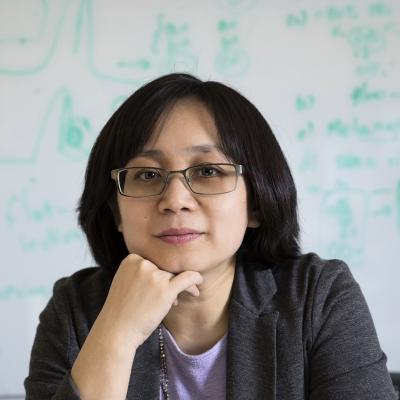
Development, function, and degeneration of retinal ganglion cells, including glaucoma-related neurodegeneration and imaging innovations
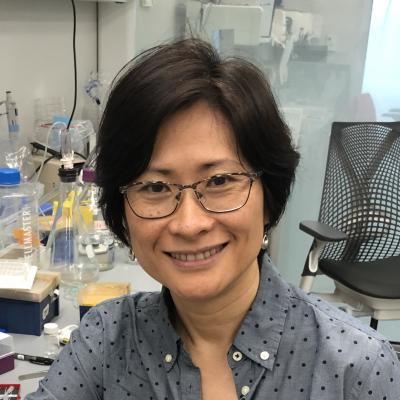
Wnt/planar-cell-polarity pathways governing neural tube closure and inner-ear (hearing) development studied in mouse models

Neuron–glia communication and oligodendrocyte/myelin homeostasis across lifespan, during brain injury and diseases
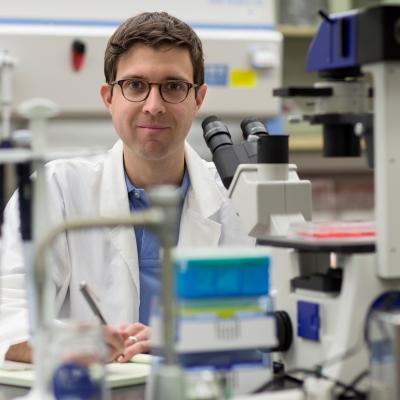
Neuroimmunology of Alzheimer's disease, multiple sclerosis, traumatic brain injury, stroke, and neurodevelopmental disorders
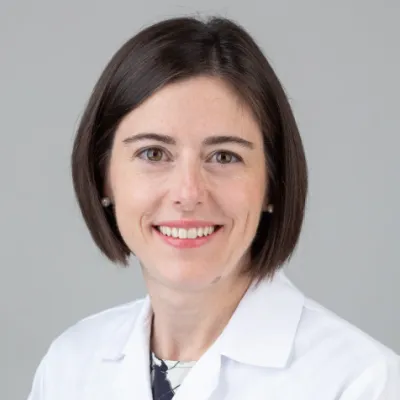
The impact of anesthetic drugs on endogenous sleep pathways and the pathogenic mechanisms of ICU delirium
Neurobiology of addiction/substance use disorder and its treatment using behavioral, pharmacological, and neuromodulatory interventions
Neural mechanisms of auditory learning and perception for vocal communication
understanding the biological mechanisms underlying the selective vulnerability of peripheral neurons to genetic and toxic insults, with the ultimate goal of developing disease-modifying therapies
Hippocampal and midbrain circuits for motivated behaviors and decision-making studied with innovative systems neuroscience approaches

Ion-channel control of neuronal excitability and epilepsy. Focusing on genetic causes of sodium channelopathies

Development of the social brain and heterogeneity in autism, with emphasis on sex differences and improving diagnosis/treatment access
Developing novel drug-inducible AAV gene therapies for epilepsy and diabetes
Focused ultrasound and targeted drug/gene delivery technologies for noninvasive treatment of neurological and vascular diseases

Systems biology and systems neuroscience of Alzheimer's disease and related dementias, in the context of aging and biobehavioral risk factors
Neurocritical-care biology of coma and status epilepticus, including inflammation and circadian dysregulation in acute brain injury
The consequences of glaucoma on melanopsin-expressing retinal ganglion cells and non-image-forming photoreception

Early social brain development and autism risk characterized with infant neuroimaging and longitudinal biopsychosocial measures
Targeted and immunotherapeutic strategies for glioblastoma and other malignancies, including Notch and DGKα pathway inhibition

Assembly and experience-dependent plasticity of cortical circuits across development and adulthood
Anti-tumor immunity in high-grade glioma. Therapeutic discovery utilizing the immune system

Image-guided focused ultrasound and immunoengineering approaches for cancer therapy and brain disease modulation

Function, damage, protection and repair of sensory hair cells as a basis for understanding hearing loss and ototoxicity

Temporal patterning of neural stem cells and lineage programs that build and diversify neural circuits (Drosophila models)

Glial biology and ion-channel mechanisms underlying brain tumor invasion and epileptogenicity
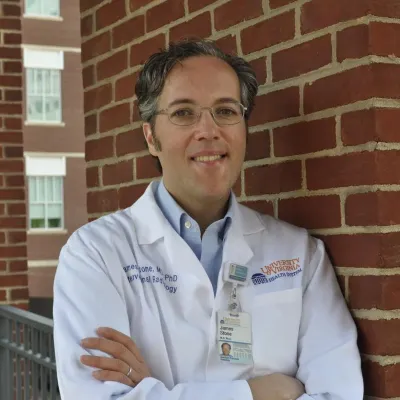
Molecular neuroimaging of neuroinflammation and stress-related psychiatric illness using PET/MR biomarkers
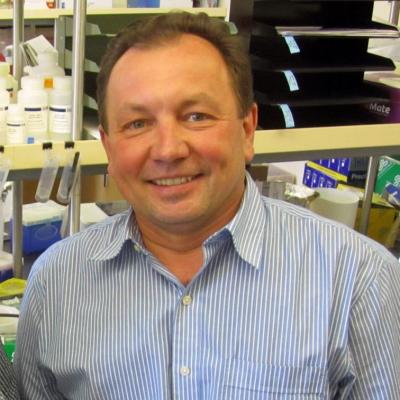
Genetic fate-mapping and manipulation to study neural and glial lineage development and circuit integration

Neuroinformatics and large-scale brain-imaging analytics for data sharing, reproducibility, and connectomic discovery

Fast electrochemical sensors for real-time measurement of neurotransmitters and neuromodulators in brain tissue
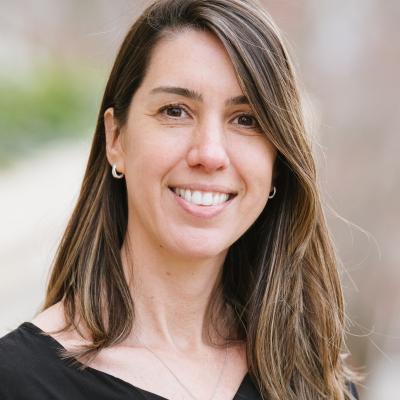
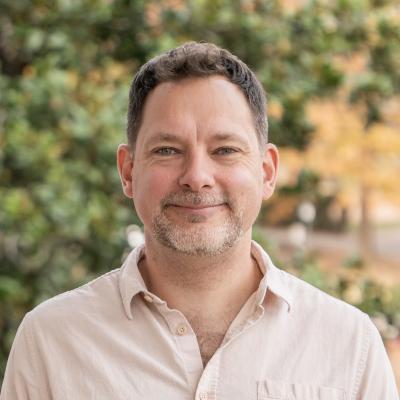
Brainstem circuits for autonomic and respiratory control under anesthesia and in disease states

Endosomal trafficking and cytoskeletal regulation in neurons and how their disruption causes neurodevelopmental/neurodegenerative diseases

Vascular morphogenesis and neurovascular-unit interactions controlling CNS and ocular vessel development and integrity
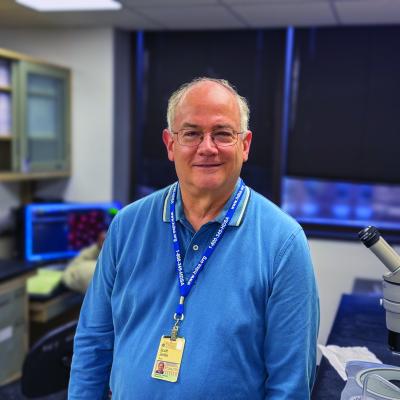
Huntington’s and other polyglutamine diseases as models to uncover pathogenic mechanisms and test therapeutic strategies
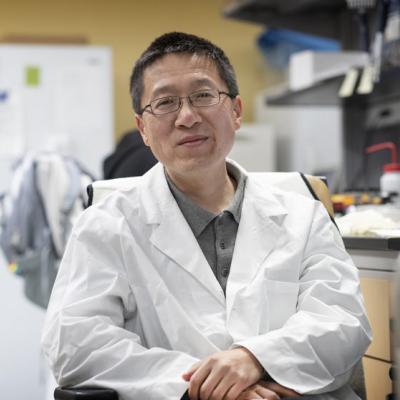
Lineage tracing in brain tumors to reveal cellular origins and progression mechanisms
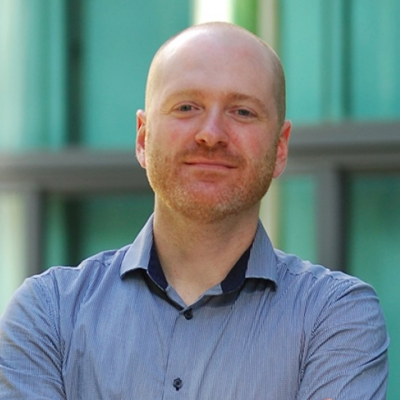
High-dimensional single-cell cytometry and computational tools mapping cell states and dynamics in development and disease

Molecular mechanisms of anesthetic neuroprotection and postoperative cognitive dysfunction, including glutamate transporter regulation